Three live days to go from the statistics up to a finished forest plot — then you keep going. Every student is mentored on their own meta-analysis project after class, with the goal of getting it published. No prior research experience needed.
No prior research experience required. Seats are limited.
This is a working masterclass, not a lecture series. By the end you can run a meta-analysis yourself — and you have mentors who help you turn it into a publication.
Every student is paired with a mentor and a real meta-analysis project once the workshop ends — the goal is a published paper with your name on it.
You practise the actual meta-analysis tools live, alongside mentors — screen-shared, step by step, until the analysis runs on your machine.
Connect directly with research mentors working at leading institutions in the United States — the relationships that open doors later.
Learn how to publish and how to position your research so your CV stands out for the U.S. Residency Match and fellowship applications.
Day one grounds you in the statistics so nothing later feels like a black box. Day two builds the review and gets the software running. Day three is pure hands-on analysis — through to how the paper gets published.
Distributions, p-values and confidence intervals — the core ideas every analysis rests on, explained plainly.
Odds ratios, risk ratios and mean differences — what they mean, when to use each, and how they're combined.
Systematic reviews vs. meta-analyses, the PICO question, and what actually makes studies poolable.
Building a search, screening with PRISMA, and pulling clean, structured data out of the literature.
Turning study results into the numbers a meta-analysis needs — done carefully and reproducibly.
Install and configure the meta-analysis software with mentors so everyone starts day three ready to run.
Fixed vs. random effects, building forest plots, and reading what they tell you — hands-on.
Interpret I², run subgroup and sensitivity analyses, and check publication bias with funnel plots.
Writing it up, picking a journal, and optimising the work for your CV and the Match.
Live each day from 5:00–11:00 AM US CST, on Zoom.
The workshop teaches you the method. The mentorship is what gets your name into a journal.
Not just top performers — every participant is assigned a real meta-analysis project and a mentor after the workshop.
Mentors guide you from analysis to a manuscript built for submission — the kind of authorship that moves an application.
You work directly with researchers based at top institutions in the United States.
For international medical graduates, research is one of the few parts of the application you can still build right now. Meta-analysis is the fastest credible way in — it needs no lab, no funding, and no clinical site, just method and mentorship.
A well-run meta-analysis becomes a real publication, an abstract you can present, and a talking point in interviews. It signals exactly what programs screen for: that you can ask a question, analyse data, and write it up.
That's why this workshop ends with a mentored project rather than a certificate. The skill matters — but the paper is what programs see.
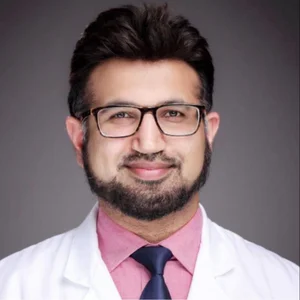
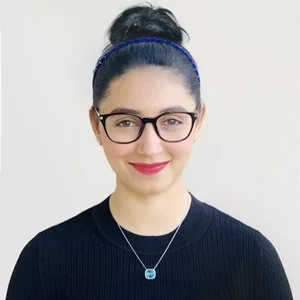
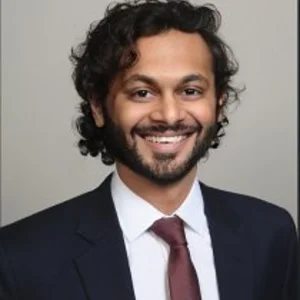
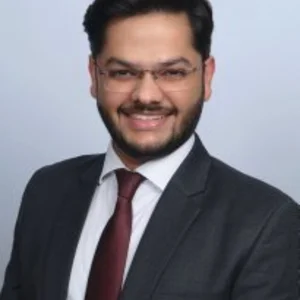
Mentors who have published in high-impact-factor journals and taught research courses globally.
Learn from experts who have published in high-impact-factor journals and taught courses globally — and who mentor you on your own project once the class is over.
Pay online to lock in your spot — or email us your name and institute. Either way we'll send the Zoom details before Sept 11.
Reserve your seat with card, or email your name and institute.
We confirm your place for Sept 11–13 and share the Zoom link.
Join live — then start your mentored meta-analysis project.